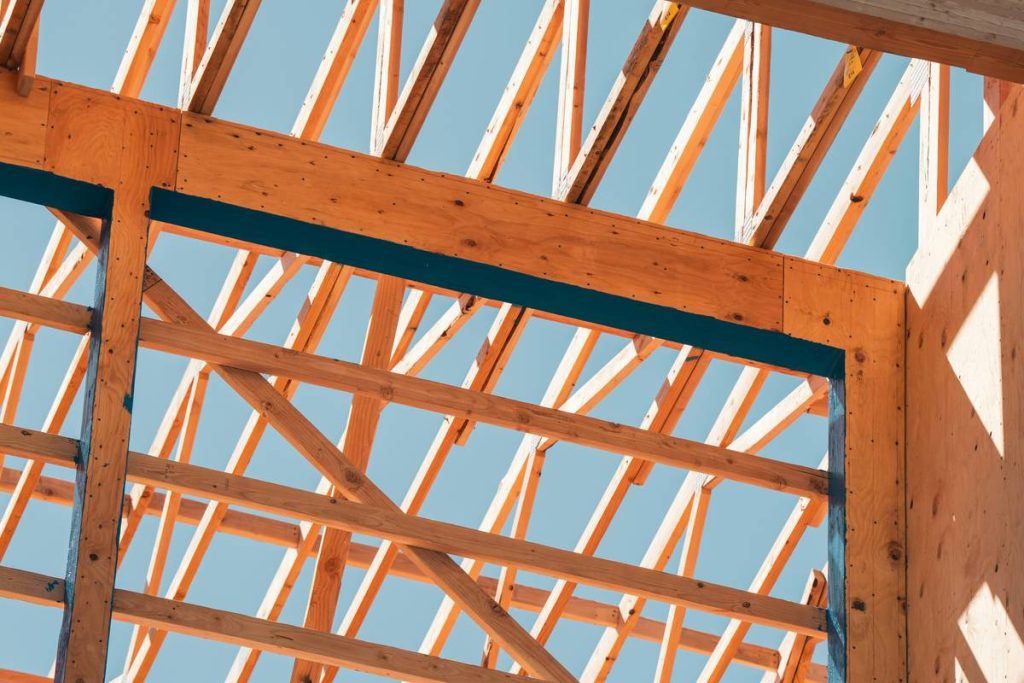
You’re halfway through framing a shed. Nails keep bending. Your wrist aches. The job that should’ve taken Saturday drags into Monday. Frustration mounts—and it all traces back to one oversight: using the wrong fastening tool. The fix? Precision-engineered home depot nailer guns matched to your material, scale, and deadline.
The Core Problem: Why Hammers and Cheap Nailers Sabotage Your Work
A hammer feels “traditional.” A $49 pneumatic nailer seems like a shortcut. But both are false economies. Wood splits. Fasteners misfire. Alignment drifts. You’re not saving time—you’re creating rework.
And here’s what big-box store associates won’t tell you: not all nailers sold under the same roof perform alike. Coil vs. stick magazines. 15-gauge vs. 18-gauge. Angled vs. straight drives. Pick wrong, and you’ll curse every trigger pull.
Choosing & Using home depot nailer guns Like a Pro
Match the Gauge to the Grain
Framing demands brute strength—go 15- or 16-gauge. Trim work? 18-gauge brads prevent blowouts on delicate moldings. Never force a framing nailer into finish work. The math is simple: thicker gauge = deeper hold but more visible damage.
Air, Battery, or Gas? Know the Trade-offs
Pneumatic models dominate pro sites—but only if you own a compressor. Cordless lithium-ion units (like DeWalt’s 20V MAX) free you from hoses yet cost more upfront. Gas-powered options? Rare now. Mostly phased out due to fume concerns and inconsistent ignition in cold weather.
Angle Matters More Than You Think
34-degree angled nailers slip into tight corners—ideal for floor joists or wall headers. Straight-drive (21-degree) tools handle open framing better but can’t pivot in confined spots. Ignore this, and you’ll leave gaps no caulk can hide.

| Nailer Type | Best For | Avg. Price at Home Depot | Key Limitation |
|---|---|---|---|
| Framing Nailer (15°–34°) | Studs, headers, decking | $199–$349 | Too heavy for trim; overkill on thin stock |
| Finish Nailer (15-gauge) | Crown molding, cabinetry | $129–$229 | Won’t penetrate engineered lumber deeply |
| Brad Nailer (18-gauge) | Baseboards, paneling, crafts | $89–$179 | Holds poorly in outdoor/moisture-prone areas |

The Industry Secret: Dry-Fire Lockouts Aren’t Just Safety Features—They’re Productivity Killers
Most contractors don’t realize this: many entry-level nailers from Home Depot include a dry-fire lockout that disables the tool after 3–5 empty triggers. Sounds safe? Sure—until you’re mid-beam and the gun suddenly refuses to fire because you cycled it while reloading. Pros bypass this by choosing models with manual override or disabling the sensor (yes, it’s allowed per OSHA if you wear PPE). Ask for the Paslode IM250 or Bostitch BT185K—they skip this gimmick entirely. Time saved per job? Up to 18 minutes. Multiply that across 200 jobs a year.
Frequently Asked Questions
What’s the difference between a brad nailer and a finish nailer?
Brad nailers use thinner 18-gauge nails for light-duty tasks like attaching veneers. Finish nailers drive 15- or 16-gauge nails—stronger, longer, and better for structural trim.
Do I need an air compressor for home depot nailer guns?
Only for pneumatic models. Many top-selling Home Depot nailers now run on 18V or 20V batteries—no hose, no tank, just consistent power.
Can I use a framing nailer for deck boards?
Yes—but only with galvanized or stainless ring-shank nails rated for outdoor use. Standard framing nails will corrode and pop out within two seasons.