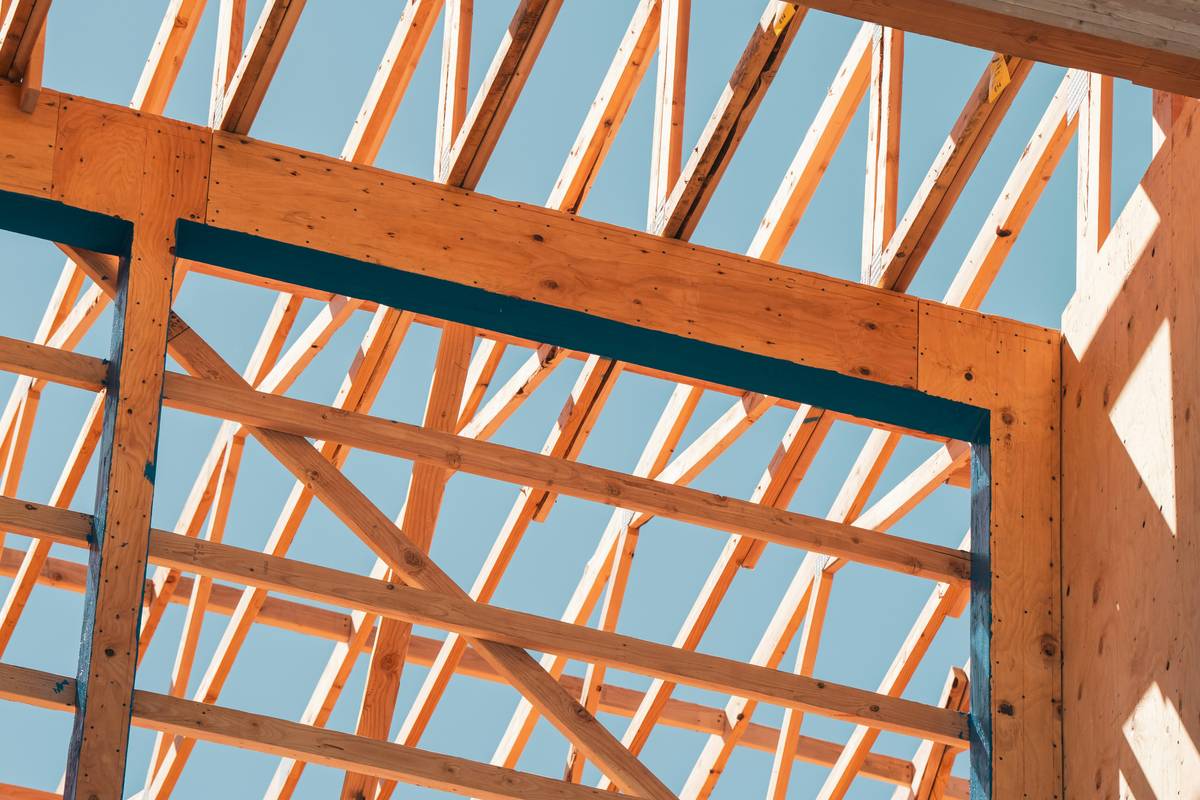
Trying to frame a house with a hammer? Good luck finishing before the drywall crew shows up. Manual nailing eats hours—hours you’ll never get back. But slapping any old nail gun into your tool belt won’t cut it either. You need a first fix nail gun built for speed, depth control, and brutal framing efficiency.
The Core Problem: Why Standard Methods Fail Miserably on Job Sites
Most DIYers—and even some contractors—grab the cheapest pneumatic nailer off the shelf. Big mistake. General-purpose nail guns lack the driving force and magazine capacity needed for structural framing. They jam on green lumber. They misfire when angled. And they can’t handle 3-1/2″ nails consistently.
Worse? They don’t respect the rhythm of real-world first fix work—where you’re nailing sole plates, headers, and studs in rapid sequence under tight deadlines. A subpar tool breaks that flow. Every stoppage costs money.
How to Choose and Use First Fix Nail Guns Like a Pro
Pick the right gun. Set it right. Hit every mark—fast and flush. Here’s how:
Match Nail Length to Lumber Thickness
Using 2-1/2″ nails on double top plates? You’re inviting pull-through failures. Structural codes demand penetration depth—usually 1-1/4″ minimum into the supporting member. That means 3-1/4″ or 3-1/2″ nails for most first fix applications. Don’t guess. Measure.
Air Pressure Isn’t Optional Tuning—It’s Precision Calibration
Too much PSI? Nails sink too deep, weakening joints. Too little? Nails stick out like sore thumbs—requiring taps that slow you down. Most framers run 100–120 PSI, but humid weather or resin-rich pine may need fine-tuning. Test on scrap first. Always.
Maintenance Beats “Just Working” Every Time
Dust, sap, and moisture wreck internal seals. Clean the piston weekly. Lubricate after every 1,000 shots. Replace O-rings before they crack—not after your gun coughs mid-wall. Downtime isn’t drama—it’s profit erosion.
| Method | Avg. Nails/Hour | Cost per 1,000 Nails | Rejection Rate* |
|---|---|---|---|
| Manual Hammer | 350 | $8.20 | 6.1% |
| Budget Framing Gun | 720 | $9.50 | 4.3% |
| Premium First Fix Nail Guns | 1,100+ | $10.80 | 1.2% |
*Rejection = bent nails, misfires, or improper depth requiring correction
The Industry Secret: It’s Not About Speed—It’s About Sequence
Here’s what no spec sheet tells you: elite framers don’t just shoot fast—they shoot in a repeatable sequence that minimizes body rotation and tool repositioning. Start at the bottom plate. Move upward. Never cross over your own stance. A quality first fix nail gun with an inline magazine and low center of gravity supports this flow. Side-loaders? They force awkward wrist angles that fatigue you by lunch.
And this is critical—top crews treat their nail gun like an extension of their forearm. They adjust depth not after every wall, but once per job phase. Consistency beats constant tweaking. The math is simple: fewer adjustments = more perfect shots per shift.
Frequently Asked Questions
What nails do first fix nail guns use?
They fire full-head, ring-shank or smooth shank nails from 2″ to 3-1/2″, typically in 21° or 30° clipped-head collation—designed for structural holding power and code compliance.
Can I use a finish nailer for first fix work?
Absolutely not. Finish nailers lack the power, nail length, and durability for framing. You’ll damage the tool and compromise structural integrity.
Are cordless first fix nail guns reliable?
Modern gas-actuated or high-torque battery models are viable for small crews or remodels—but for full production framing, pneumatic still dominates for sheer cycle speed and cost-per-shot.